July 2026 Jobs Report: The Economy Lost 23,000 Jobs and the Unemployment Rate Fell. That's Not a Typo.
The BLS reported a net loss of 23,000 payroll jobs in July 2026 while the unemployment rate dropped to 4.1%. Wages grew 3.2% over the year. Inflation grew 3.5%. Here's what the numbers actually say.
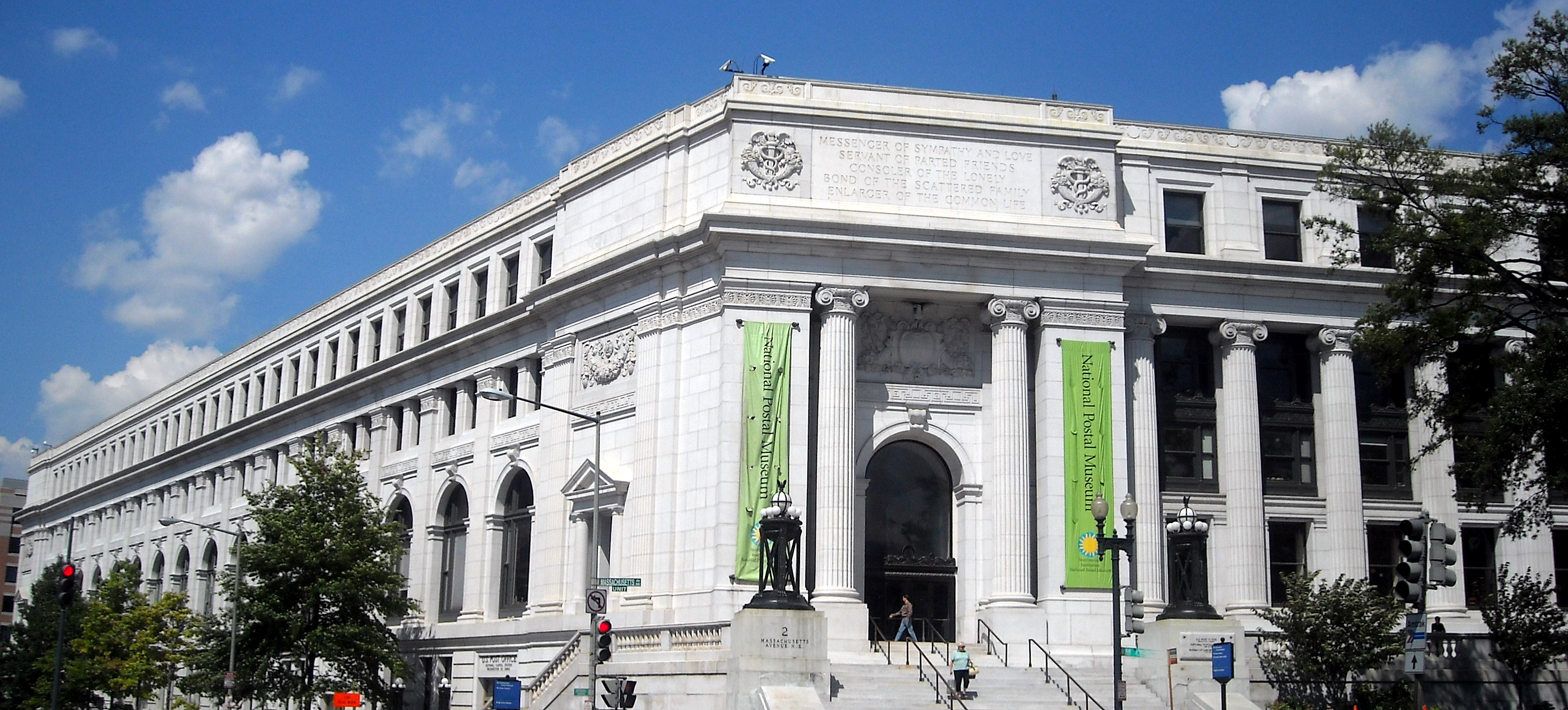
The Postal Square Building in Washington, D.C., headquarters of the Bureau of Labor Statistics — Photo: AgnosticPreachersKid (CC BY-SA 3.0)
By DopeCalculators Team
Published August 7, 2026
The Bureau of Labor Statistics released the July 2026 Employment Situation this morning. The number everyone watches first — total nonfarm payrolls — came in at negative 23,000. The U.S. economy shed jobs last month. Economists surveyed by The Wall Street Journal had expected a gain of 83,000. The gap between expectation and result is 106,000 jobs.
The second number everyone watches — the unemployment rate — fell to 4.1%, down from 4.2% in June.
Both are accurate. They measure different things, and understanding why they moved in opposite directions tells you more about the labor market right now than either number alone.
Why the Unemployment Rate Fell While Jobs Were Lost
The unemployment rate counts people who don't have a job and are actively looking for one. It doesn't count people who have given up looking. When fewer people are searching for work, the unemployment rate can fall even if no jobs are being created — and it can fall when jobs are actually being cut.
That's what happened in July. The labor force participation rate dropped to 61.4%, a level the BLS says hasn't been seen in over five years. Roughly speaking: fewer Americans are in the labor force at all, either working or actively job-hunting. When you remove those people from the denominator, the unemployment rate shrinks.
At the same time, temporary layoffs rose. The number of workers on temporary layoff increased by 153,000 in July, bringing the total to 921,000. These are people counted as unemployed — they're in the denominator — but the 153,000 increase means the total pool of unemployed workers did grow. The participation rate drop was large enough to more than offset that, pushing the headline rate down anyway.
So what you have is an unemployment rate that fell not because hiring picked up, but because the pool of people looking for work shrank. The actual jobs situation — payrolls — was worse than it's been in several months.
The Wage Numbers and What They Mean for Your Paycheck
Average hourly earnings for private-sector workers came in at $37.62 in July, up 2 cents from June. Over the past year, wages are up 3.2%.
The most recent consumer price index data, covering June 2026, showed prices rising 3.5% year-over-year. That's the headline number — all items, not seasonally adjusted, compared to June 2025.
The math: wages grew 3.2%, prices grew 3.5%. Real wages — what your pay actually buys — are slightly negative on net. If you got a 3.2% raise this year, prices outpaced it by about 0.3 percentage points. It's a smaller gap than earlier in 2026 (May CPI was running closer to 4.2%, which made the squeeze sharper), but the direction is the same: your nominal paycheck is larger, your purchasing power is not.
Put in concrete terms: if your salary was $60,000 last July and rose 3.2%, it's $61,920 now. But a basket of goods that cost $60,000 in July 2025 costs $62,100 at 3.5% inflation. You're earning $61,920 for a basket that costs $62,100. You're behind.
Use the Inflation Calculator to see exactly how a specific dollar amount has been eroded by the current inflation rate, and the Take-Home Pay Calculator to see what a raise — or a pay cut in real terms — actually looks like after federal and state taxes, Social Security, and Medicare come out.
Which Sectors Are Losing Jobs
The July job losses weren't spread evenly. Retail shed workers, as did local government education and financial activities. Healthcare was the main sector adding jobs, up 22,000 — though that was well below the 36,000 monthly average for healthcare over the prior 12 months, so even the bright spot was dimmer than usual.
Every other major sector — construction, manufacturing, transportation, information, professional services, leisure and hospitality — showed little change. The job loss was concentrated rather than broad-based, which is a moderating detail. But the total still came in deeply negative relative to expectations, and the 153,000 rise in temporary layoffs is worth watching. Temporary layoffs can normalize quickly, or they can convert to permanent job losses if business conditions don't improve.
Worth noting: the BLS also revised prior months downward. May's previously reported gain was cut by 66,000, to 63,000. June's was cut by 37,000, to 20,000. Combined, those revisions subtract 103,000 jobs from the two months before July. The trend over the past quarter looks weaker than the original monthly readings suggested.
What Happened to Treasury Yields and Mortgage Rates
Bond markets reacted to the weak report by pushing yields lower. The 2-year Treasury note fell 8 basis points to 4.16%. The 10-year fell 6 basis points to 4.61%. When yields fall, mortgage rates tend to follow — not immediately, and not dollar for dollar, but the direction is the same.
The 30-year fixed mortgage averaged 6.69% as of August 6, according to Freddie Mac. The yield move today could pull that number down modestly in next week's survey, depending on how rates trade through the end of the day and into next week.
The Federal Reserve has been holding rates steady at 4.25–4.50% all year, with no cuts expected in 2026. A single weak payroll report doesn't change that calculus — the Fed has said repeatedly that it needs sustained evidence of labor market softening, not one month's data. But this report reduces the likelihood of a rate hike in September, which some analysts had been pricing in after the string of above-trend inflation readings earlier in the year.
The Bigger Picture
A 23,000-job loss in a single month doesn't define a recession. The U.S. labor market has been running near full employment for several years, and the unemployment rate at 4.1% is still low by historical standards. But the combination of factors in this report — missed expectations by more than 100,000, downward revisions to prior months, falling participation, rising temporary layoffs, and real wages still negative — paints a more cautious picture than the headline unemployment rate implies.
For people tracking their own financial position, the practical takeaway is straightforward: nominal wages are rising, but not fast enough to fully offset price increases. The gap is smaller than it was six months ago, but it's still there. A 3.2% raise sounds like progress. Whether it actually is depends on your personal inflation rate — which varies based on what you spend on housing, food, transportation, and healthcare.
The Inflation Calculator lets you model what a specific inflation rate does to purchasing power over one year or multiple years. If you want to understand what you'd need to earn just to stay even with 3.5% inflation, plug in your current income and run the numbers. The Financial Health Score goes further, assessing income stability, savings rate, debt load, and emergency preparedness to give you a broader read on where you stand — particularly useful when the economic backdrop is mixed and you want to know which vulnerabilities to address first.
And if you're comparing job offers or thinking through whether a switch makes financial sense in this labor market, the Hourly to Salary Calculator converts an hourly rate into its annual equivalent so you're comparing apples to apples when wages are quoted differently across roles.
Sources
- BLS: The Employment Situation — July 2026, released August 7, 2026
- Quartz: U.S. payrolls fell 23,000 in July 2026, first drop in months
- Bloomberg: US Employers Unexpectedly Shed Jobs, Unemployment Rate Falls, August 7, 2026
- CNBC: Jobs Report July 2026, August 7, 2026
- BLS: Consumer Price Index Summary — June 2026
- CNBC: Consumer price index inflation report June 2026, July 14, 2026
- Freddie Mac Primary Mortgage Market Survey, week of August 6, 2026
- Redfin: Weak July Jobs Report Could Delay Fed Rate Hike, August 7, 2026